7/11/2026
If you're trying to pin down exactly when to book your flight, here's the short version: the best month to visit Azerbaijan is May or September — warm, dry, green or golden depending on which end of the year you pick, and free of both summer's heat and winter's wind. But that one-line answer hides a lot of nuance, because Azerbaijan isn't one climate. It's nine of the world's eleven climate zones packed into a country the size of Portugal — semi-arid steppe around Baku, alpine winters in the Caucasus a two-hour drive away, and near-subtropical humidity down in Lankaran. This guide breaks down what actually happens month by month, region by region, so you can match your trip to the right window instead of guessing.
The Short Answer: Best Time to Visit Azerbaijan
If you only read one section, read this one.
Best overall: May and September — warm, dry, green (May) or golden (September), without the extreme heat of midsummer or the wind of midwinter.
Best for beaches: mid-June to early September — this is the window the Caspian Sea is actually warm enough to swim in comfortably.
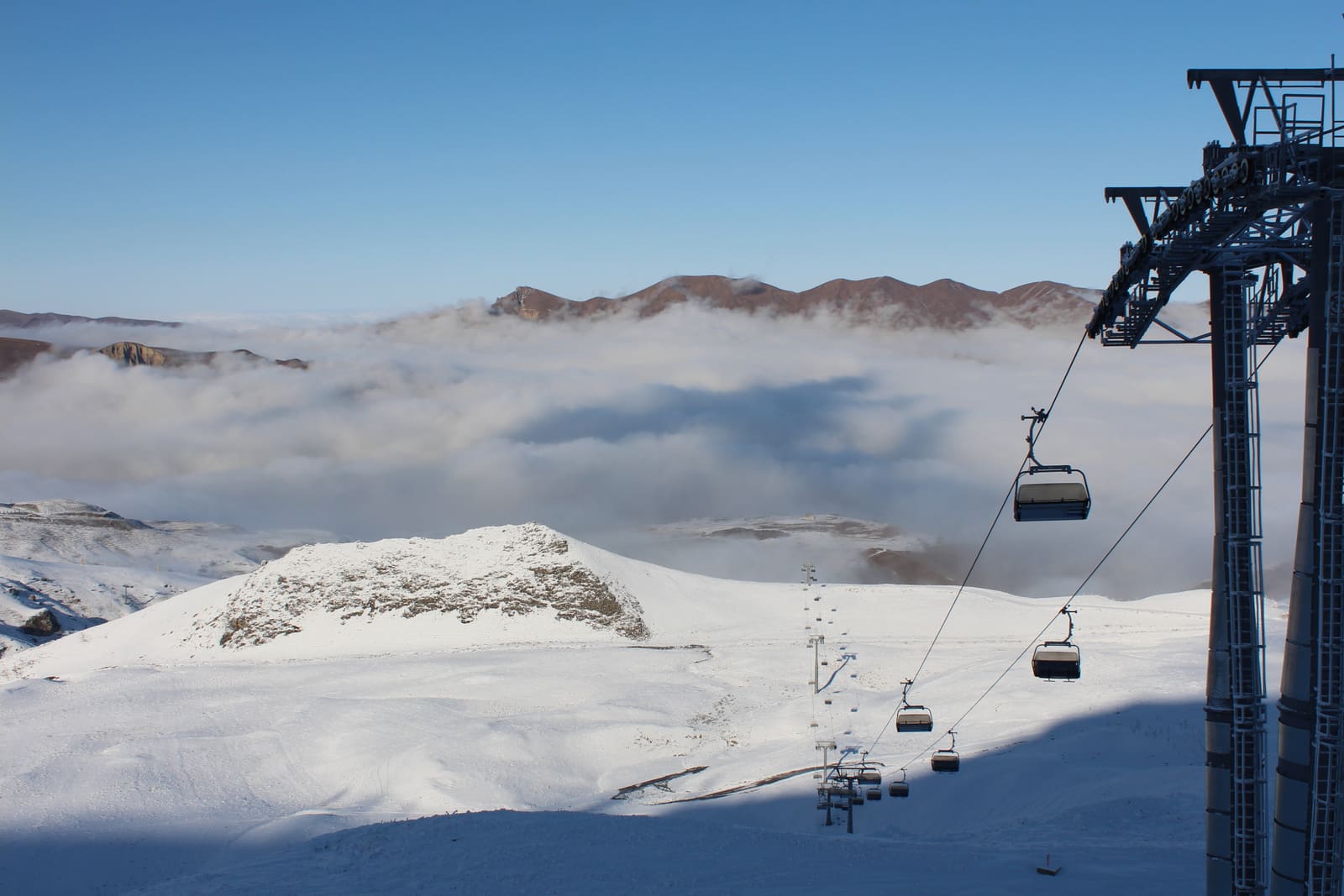
Best for skiing: December to March — Shahdag and Tufandag mountain resorts run reliably from late December, with the best snow cover in January and February.
Cheapest months: January, February and November — the lowest flight and hotel prices of the year, and the thinnest crowds.
Avoid if you're heat-sensitive: late July through August — Baku and the lowlands regularly cross 35°C, combined with dry, dusty winds.
Azerbaijan's Climate Isn't One Climate
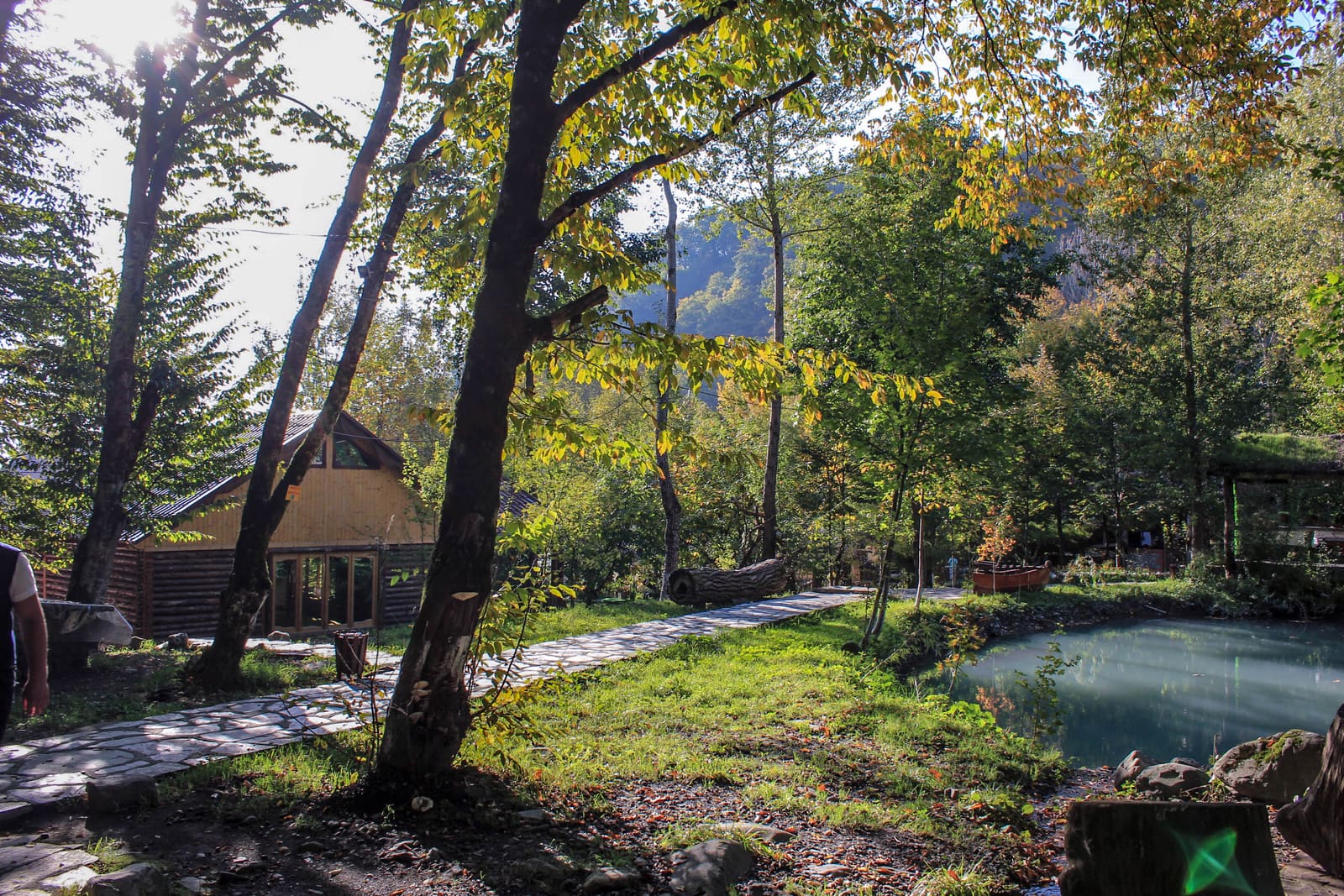
This is the part most "best time to visit" articles skip, and it matters more than the calendar. Baku and the Absheron Peninsula sit in a semi-arid zone — dry, windy, with hot summers and cool (not cold) winters. An hour or two inland, the Greater Caucasus foothills around Gabala, Sheki and Quba run noticeably cooler and wetter, with real snowfall in winter and green, forested slopes in summer. Go further up toward Shahdag and you're in genuine alpine territory — skiable from December through March. And down in the south, around Lankaran near the Iranian border, the climate turns humid subtropical, with tea plantations and a much milder winter than Baku ever sees.
There's a fourth climate worth knowing about, too: Nakhchivan, the Azerbaijani exclave wedged between Armenia, Iran and Turkey, is landlocked and continental — none of the Caspian's moderating effect reaches it. Summers there run hotter and drier than Baku, and winters run colder, with a wider swing between day and night temperatures year-round. It's a less-visited corner of the country, but if it's on your itinerary, plan around a continental calendar rather than a coastal one.
The practical takeaway: "best month" depends on where you're actually going. A month that's perfect for Baku sightseeing might be too early for swimming at Nabran, or too late for skiing at Shahdag. The month-by-month breakdown below flags these regional differences as they come up.
Baku Temperatures at a Glance
If you just want the numbers without the commentary, here's a quick reference for average daytime highs in Baku across the year. Mountain towns like Gabala and Shahdag typically run 5–10°C cooler than these figures, especially in summer.
January: 4–8°C — cold, windy, occasional light rain
February: 5–9°C — still cold, driest winter month
March: 10–15°C — mild, Novruz season
April: 15–20°C — mild, green, low rainfall
May: 20–26°C — warm, dry, arguably the best all-round month
June: 25–30°C — hot, sea starts warming up
July: 32–38°C — peak heat, dry winds
August: 32–37°C — peak heat continues, hazy on still days
September: 26–30°C — heat breaks, sea still swimmable early in the month
October: 18–23°C — mild, best autumn color inland
November: 12–17°C — cooling fast, rainiest month
December: 8–12°C — cold, windy, ski season begins at altitude
Month-by-Month Guide to Visiting Azerbaijan
Here's what to actually expect in each month — temperatures, crowds, cost, and what's realistically worth doing.
January
Cold, quiet, and cheap. Daytime temperatures in Baku hover around 4–8°C, dropping close to freezing overnight, with the Khazri wind making it feel colder than the thermometer suggests. This is the low season for city tourism — the Old City and Boulevard are nearly empty, hotel rates are at their lowest, and the winter light over the Caspian is genuinely striking for photography. It's also full ski season at Shahdag and Tufandag, with reliable snow cover. Skip it if you want beaches, culture festivals, or long daylight hours — this is a month for skiing, budget city breaks, or nothing at all if you dislike cold, grey weather.
February
Similar to January but with the first hints of change — typically the cheapest month of the year for flights into Baku, and still solid for skiing, often with the best fresh snow of the season. By late February, almond and cornelian cherry blossoms start appearing in the warmer south, an early signal that spring isn't far off. Still not a month for hiking, swimming, or being outdoors for long stretches in the lowlands.
March
March is dominated by one event: Novruz Bayram, Azerbaijan's biggest holiday, celebrated around March 20–24 to mark the spring equinox. Streets fill with bonfires, street performances, and family gatherings — it's the single most culturally vivid week of the year, and worth planning a trip around if festivals interest you. Just note that some smaller businesses shift hours or close around the holiday itself. Weather-wise, temperatures climb into the 10–15°C range, the first wildflowers appear, but evenings are still cool and rain is more frequent than in April. Not yet a month for mountain hiking (snow lingers at altitude) or the coast.
April
One of the two or three best all-around months. Temperatures settle into a comfortable 15–20°C, rainfall is low, the countryside is at its greenest, and lower-elevation hiking trails start opening up properly. Baku is extremely walkable in this weather, and hotel prices are still well below the May–June peak. If you want green landscapes and mild weather without summer crowds, this is a strong pick.
May
Widely considered the single best month to visit Azerbaijan, and for good reason. Days are warm — typically 20–26°C — without being hot, daylight stretches out, gardens and parks are in full bloom, and the Caucasus foothills are ideal for hiking before summer heat arrives. The Caspian Sea is warming but not quite swimmable along the northern coast yet. Crowds are building toward the summer peak but haven't arrived — book accommodation a little ahead, especially around public holidays.
June
Warm to hot — Baku regularly sees 25–30°C — and by mid-to-late June the Caspian Sea finally warms up enough for comfortable swimming at Nabran and along the Absheron coast. If lowland heat isn't your thing, this is also when the mountain towns like Gabala start to shine: noticeably cooler, still green, and a good 8–10°C below Baku on the same day. A strong all-rounder month before the true summer crowds and heat arrive in July.
July
Peak summer, and peak heat. Baku frequently hits 32–38°C, with dry southerly winds (locals call the counterpart to winter's Khazri the "Gilavar") that can make the air feel even hotter and hazier. This is also peak beach season — Nabran and the Absheron coast are at their busiest, and coastal resort prices climb accordingly. The smart move if you're visiting in July is to split your trip: a few days in Baku, then head to the mountains around Gabala, Sheki or Shahdag, where it's routinely 10–15°C cooler and still lush.
August
Very similar to July, and by some measures the hottest stretch of the whole year, especially the first half of the month. Beach season continues in full swing. Baku on a windless August day can feel hazy and dusty — not dangerous, just unpleasant for long stretches of walking. As in July, pairing a Baku visit with a few days in the mountains is the easiest way to make an August trip comfortable.
September
Many locals and repeat visitors call this the best single month of the year, and it's easy to see why. The extreme heat breaks — daytime temperatures settle into the high 20s°C — while the Caspian Sea is often still warm enough to swim in during the first half of the month. It's also harvest season: pomegranates and grapes come in, and the wine regions around Ismayilli and Shamakhi are at their best. One thing to plan around: the Formula 1 Baku City Circuit street race typically runs in September, which is fantastic if you want to attend, but it also tightens up hotel availability and pushes up prices in Baku for that specific week — check the race calendar before booking if you have a preference either way.
October
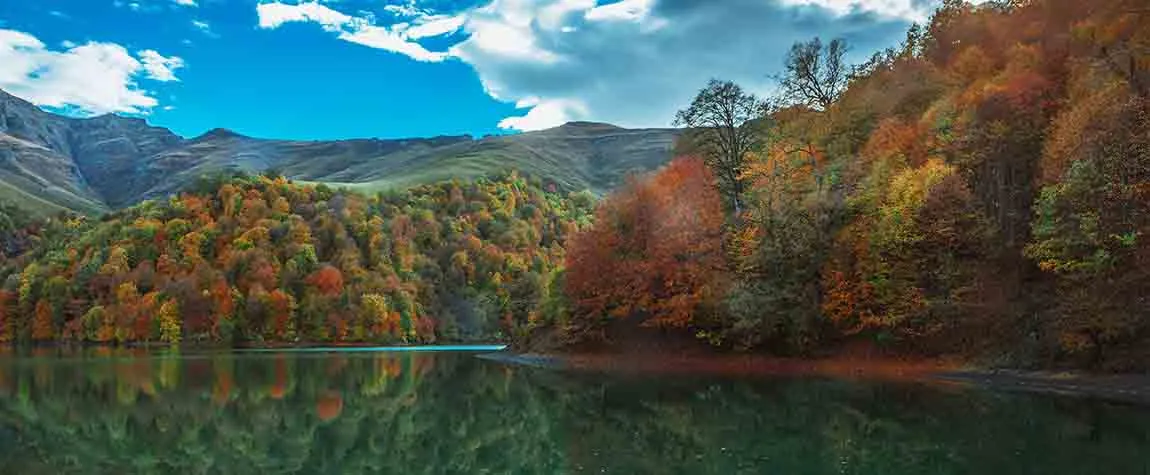
The other standout shoulder month. Days are mild (18–23°C), nights are cool, rainfall is still low, and the autumn foliage in Sheki, Gabala and the Ismayilli forests turns properly spectacular — gold, orange and red against the mountains. It's a great window for hiking before the first mountain snow arrives, and harvest festivals continue in the wine regions. If you had to pick one month for a mix of good weather, scenery and manageable crowds, October is right up there with May.
November
A fast transition into winter. Temperatures drop, and November is typically Baku's rainiest month. Tourist numbers thin out noticeably and prices follow. It's still a reasonable month for a city-focused trip — museums, the Old City, food — but it's the wrong month for hiking or anything mountain-related, since the first snow can already be settling in at altitude.
December
Cold, windy, and short on daylight — but not without its charms, including the start of ski season at Shahdag and a genuinely striking winter light over the Old City on calm days. Because there's a lot to cover here — exact temperatures, whether it actually snows in Baku, what to pack, and what's worth doing — we've written a full dedicated guide: read Baku Weather in December: Complete Guide (Snow, Packing & What to Do) for the details.
Best Time to Visit by Type of Trip
If your priority is more specific than "good weather in general," match it against this list instead of the general calendar above.
City sightseeing in Baku: April–June or September–October — mild enough to walk all day, without summer heat or winter wind.
Beach holiday on the Caspian coast: mid-June through early September, when the sea is actually warm enough to swim in.
Skiing and snowboarding at Shahdag or Tufandag: December through March, with January and February offering the most reliable snow cover.
Hiking in the Caucasus foothills (Gabala, Sheki, Quba): May–June and September–October — warm enough to be comfortable, cool enough to actually hike.
Festivals and culture: Novruz Bayram in late March; grape and pomegranate harvest season in September–October; the Formula 1 Baku street race in September.
Budget travel: November and January–February, when flights and hotels are at their cheapest and crowds are thinnest.
Photography: December and quiet winter days for dramatic light and empty streets; May and October for color and greenery.
Public Holidays and Events at a Glance
A quick recap of the events mentioned above, in one place, since they're often the deciding factor between two otherwise-similar months:
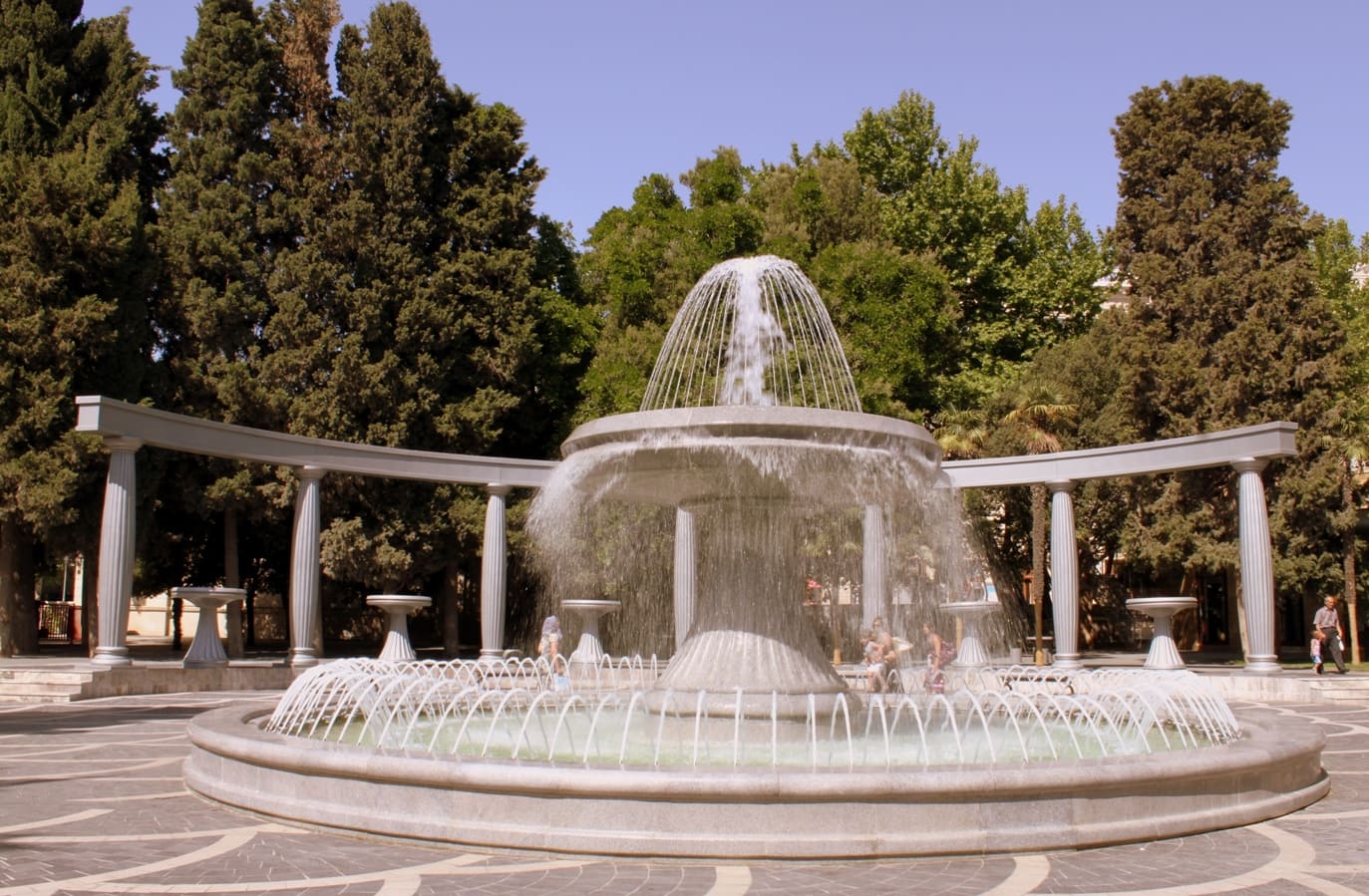
New Year (January 1–2): quiet nationally, but Baku's Old City and Fountains Square get festive lighting through early January.
Novruz Bayram (around March 20–24): the biggest holiday of the year — bonfires, street festivities, family visits, and the most vivid week of Azerbaijani culture on display.
Formula 1 Baku City Circuit (September): a street race through the Old City and Boulevard — great to attend, but book hotels early if you're visiting Baku that week regardless.
Grape and pomegranate harvest (September–October): the wine regions around Ismayilli and Shamakhi are at their best, with harvest festivals in many villages.
The Worst Time to Visit Azerbaijan
Being honest about this is more useful than pretending every month is equally good. Late July into mid-August is the toughest stretch for most visitors — Baku and the lowlands regularly cross 35°C, the air can turn hazy and dusty on windless days, and long stretches of outdoor sightseeing become genuinely uncomfortable. If you're sensitive to cold and wind rather than heat, December through February on the Absheron coast is the equivalent trade-off — not dangerously cold, but persistently windy and grey. The good news is that neither of these is a true dead zone: pairing a hot-season Baku trip with time in the cooler mountains, or a cold-season trip with skiing at Shahdag, turns a mediocre month into a good one.
Practical Planning Tips
Visa: most nationalities can get an Azerbaijan e-visa online in a few business days — sort this before you commit to non-refundable flights.
Flights and hotels: cheapest in January–February and November; most expensive around Novruz (late March), the Formula 1 week in September, and the July–August peak.
Packing for Baku, any season: bring a windproof layer even in summer — the Khazri and Gilavar winds are a year-round feature of Absheron weather, not just a winter thing.
Packing for the mountains: even in summer, evenings in Gabala, Sheki and Shahdag run noticeably cooler than Baku — pack a light jacket regardless of when you go.
One trip, two climates: because Azerbaijan is small, it's genuinely realistic to combine a few days in Baku with a few days in the mountains or on the coast in a single week-long trip — see our guide to the best places to visit in Azerbaijan for how to structure that itinerary.
Getting between regions: Baku to Gabala or Sheki is a comfortable 3–4 hour drive or bus ride, and domestic flights connect Baku with Gabala in under an hour — useful if you're trying to fit both a city stay and a mountain stay into a short trip.
Currency and costs: the Azerbaijani manat (AZN) is the local currency; cards are widely accepted in Baku but cash is more useful in smaller towns like Sheki or Lahij, so carry some regardless of season.
How Far in Advance Should You Book?
This depends more on the event calendar than the weather. For a normal month — April, June, October, whatever — booking two to four weeks ahead is plenty; Azerbaijan isn't so heavily touristed that hotels sell out far in advance outside of specific dates. Those specific dates are worth flagging on their own: Novruz week in late March, the Formula 1 race week in September, and New Year's Eve all see Baku hotel prices rise and availability tighten, so book those two to three months ahead if your travel dates are fixed. Ski season at Shahdag also gets busier on weekends throughout January and February, so a midweek trip gives you more flexibility on accommodation if you're not locked into specific dates.
Frequently Asked Questions
Is Azerbaijan hot in summer?
Yes, particularly in Baku and along the lowlands — late July and August regularly bring 32–38°C days. The mountains around Gabala, Sheki and Shahdag stay noticeably cooler and are the easiest way to escape the heat without leaving the country.
Does it snow in Baku?
Occasionally, but it's rare and usually melts within a day or two — Baku's winter is more defined by wind and cold rain than snow. For a full breakdown of December weather specifically, see our Baku Weather in December guide.
Can you swim in the Caspian Sea, and when?
Yes — the main swimming season runs from mid-June through early September, when the Caspian along the Absheron coast and at Nabran warms enough to be comfortable. Outside that window the sea is too cold for most swimmers.
What's the rainiest month in Azerbaijan?
November tends to bring the most rainfall in Baku, as the year transitions into winter. Late spring can also bring occasional short, heavy showers, though they typically pass quickly.
Is Azerbaijan cheap to visit?
It's generally affordable by European standards, and cheapest during the shoulder and low seasons — January, February and November see the lowest flight and hotel prices, while late March (Novruz), September (Formula 1 week) and midsummer push prices up.
When is the Formula 1 Baku City Circuit race?
The Baku street race typically takes place in September. If you want to attend, plan around the official race calendar and book accommodation early — if you'd rather avoid the crowds and higher prices, aim for a different week in September or October instead.
Is spring or autumn better for Azerbaijan?
Both are excellent, and the honest answer is that it comes down to what you want to see. Spring (April–May) means wildflowers, fresh green hillsides and Novruz in March; autumn (September–October) means harvest season, wine country at its best, and the most dramatic foliage in Sheki and Gabala. Neither is a compromise pick — they're simply different versions of the same good weather.
What should I pack no matter which month I visit?
A windproof layer, regardless of season — the Khazri in winter and the Gilavar in summer both bring wind strong enough to matter, even on otherwise warm days. Add a light jacket for mountain evenings even in July and August, comfortable walking shoes for Baku's cobblestone Old City, and sun protection for anything between May and September.
Where to Go Next
Once you've settled on a month, the next question is where to actually spend your time. Our guides to the 10 best places to visit in Baku and the best places to visit in Azerbaijan cover exactly that, with practical tips on opening hours, entrance fees, and where to eat nearby. And if you're ready to start planning, take a look at our tours for ideas on how to put a full itinerary together.
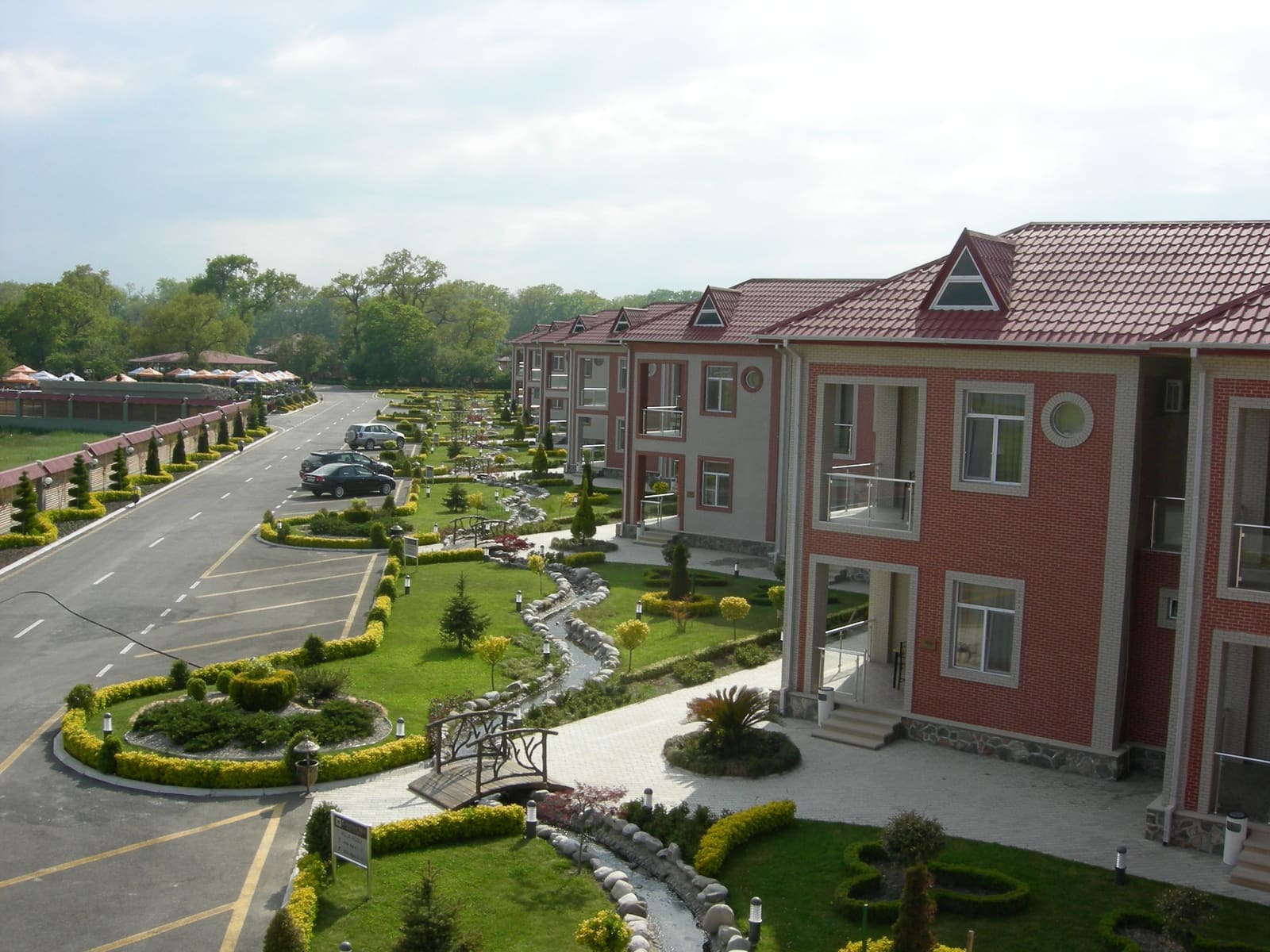
Photo credits (Wikimedia Commons, CC BY-SA): "Panoramic Baku" by Gulustan; "Fountains Square, Baku" photo by Hajizade; "Nabran Caspian Sea Resort" by SibFreak; "Gabala in Azerbaijan" by Asif Masimov; "Ski season in Shahdag" by Gasim.